|
BIRDING IN THE EASTERN CAPE
A coastline, with many beautiful sandy beaches, arid
semi-desert scrub, grasslands, forests and large tracts of cultivated lands in
some areas gives the Eastern Cape a wide mosaic of habitats. In consequence, the
bird list for the province is well in excess of 450!
Seekoei Nature Reserve
Situated on the Eastern Cape coast between the coastal villages of Aston Bay and
Paradise Beach, visitors will find the Seekoei Nature Reserve.
The estuary serves as an ideal bird watching destination, and is home to a
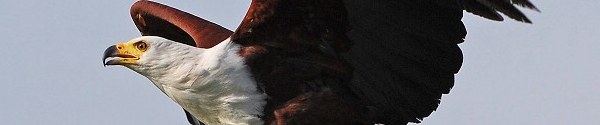
massive variety of about 120 bird species which include fish
eagle, flamingos and red knobbed coot, which nest on the lagoon.
Cape Receife Nature Reserve, Port Elizabeth
This reserve is situated on the outskirts of Port Elizabeth and is one of the
best seabird sites in the province. There is a large tern roost which, in
summer, can boast Common, Swift (Great Crested); Caspian, Sandwich and Roseate
Terns and Kelp Gulls. The rare Damara Tern, endemic to Southern Africa, is often
present. White-fronted Plovers, Ruddy Turnstones and Whimbrels all feed along
the water`s edge. African (Jackass) Penguin can sometimes be seen just off-shore
and, when a strong south-easterly wind is blowing, albatrosses and petrels can
be seen from the shore. The rocks just metres off-shore often hold large numbers
of Cape Cormorant, White-breasted Cormorant.
Included in the reserve is one of the city`s sewerage disposal works and a hide
has been built at one of the settling ponds. Kelp and Grey-headed Gulls can be
well seen from the hide, along with Pied and Malachite Kingfishers, Cape
Wagtails, Purple Gallinules, Yellow-billed Ducks and an occasional African Marsh
Harrier
Mondplaas Ponds / Gamtoos River Mouth
Situated about halfway between Aston Bay and Port Elizabeth, the ponds are a
short distance inland from the Gamtoos River mouth. A good place for waterfowl
with four or five species of duck usually present. Other water birds include
Darter, two cormorant species, Purple and Grey Herons, Purple Gallinule (Swamphen);
Black Crake, African Rail and the occasional African Jacana.The river mouth,
approximately 10 kilometres away by road, has a large mudbank which holds many
migrant waders in summer. Red Knot, Terek Sandpiper, Bar-tailed Godwit, Eurasian
Curlew and African Black Oystercatcher are among the species to be seen. The
adjacent dunes are a good site for Eurasian Hobby in the summer.
These two sites have, from time to time, produced some most unexpected birds
such as the Citrine Wagtail (the third record for Africa as a whole) and
Garganey.The farm lands and bush along the road between these spots is good
birding country and species such as Bokmakierie, Boubou Shrike, Southern Tchagra,
Bar-throated Apalis, Stanley`s Bustard, Glossy Starling and Pied Starling might
be seen.
Mountain Zebra National Park
This park is situated about 15 kilometres south-west of Cradock. This is a
good place to get to grips with the larks and chats of the dry areas.
Long-billed, Thick-billed, Spike-heeled, Red-capped and Clapper Larks are
particularly obvious in the spring (August to November) when breeding is in full
swing. Familiar and Sickle-winged Chats are plentiful. Other dry country birds
include Cape Penduline Tit, Pied Barbet, Cardinal Woodpecker, Fairy Flycatcher,
Red-winged Starling and a host of others can be seen. The list for the park is
over 200 species, a good proportion of them being resident. Other interesting
birds include Layard`s Tit-babbler, Dusky Sunbird, Pale-winged Starling, Namaqua
and Rufous-eared Warblers and Cape Rock Thrush.
Contact us for more info
|
|